Picking a Garage Door: What Most Homeowners Get Wrong
Most homeowners only replace their garage door once or twice in a lifetime. That infrequency means there's a steep learning curve right when it matters most. The result? A lot of avoidable mistakes that cost money, affect home value, and create headaches for years after installation. This post breaks down the most common errors homeowners make when choosing a garage door and, more importantly, how to sidestep each one before signing anything.
Is Your Garage Door Actually Matching Your Home's Style?
The garage door should complement your home's architecture, not just look decent on its own. This is one of the most common mistakes homeowners make, choosing a door they like in isolation without thinking about how it reads against the full front elevation of the house.
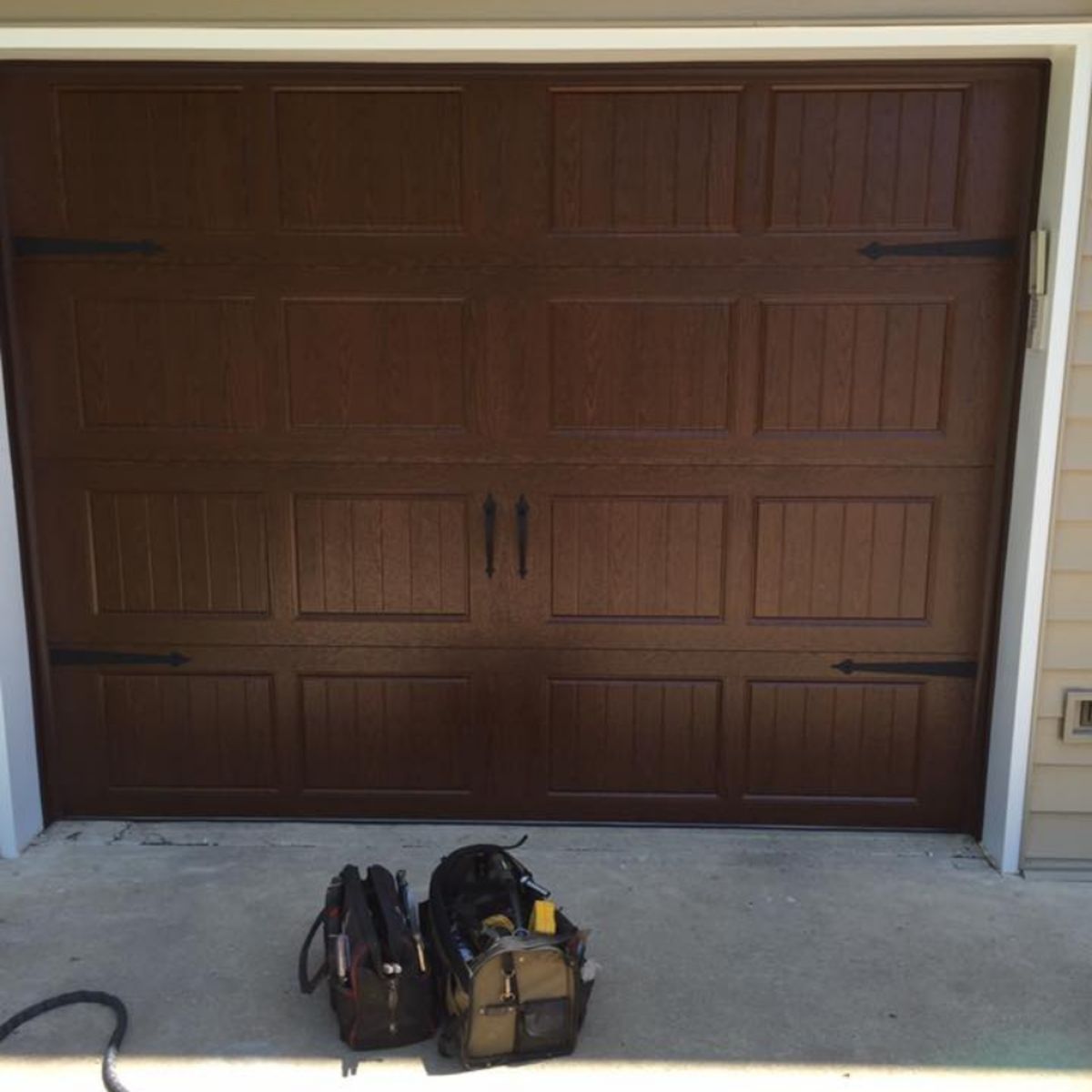
A raised-panel steel door might look clean and classic in a showroom. On a craftsman-style home with exposed beams, natural wood accents, and a covered porch, it can look completely out of place. On the flip side, a decorative carriage-house door with wrought-iron hardware can look forced on a contemporary home with clean lines and minimal ornamentation.
Before choosing a style, look at your roofline, siding material, window shapes, and front door design. Your garage door should feel like it belongs to the same family as those elements. If your home has arched windows, a door with arched window inserts echoes that detail naturally. If it has flat, horizontal lines, a door with flush panels and long rectangular windows keeps that rhythm going.
One overlooked detail: color. Many homeowners choose white by default. White works on a lot of homes, but it's not automatically the right call. A door color that picks up an accent already present in the home's exterior, a trim color, shutter color, or even the brick tone, creates a much more intentional and polished look.
Are You Ignoring R-Value? Here's Why That's a Problem
R-value measures how well a material resists heat transfer. Most homeowners have heard the term in the context of attic insulation but don't think to apply it when buying a garage door. That's a mistake with real financial consequences.
An uninsulated or poorly insulated garage door is essentially a large hole in your home's thermal envelope. In Missouri, where summers get genuinely hot and winters bring hard freezes, that gap puts extra strain on your HVAC system. If your garage shares a wall with your living space, which most attached garages do, that temperature bleed is constant.
Here's the specific breakdown worth knowing:
- R-6 to R-9: Minimum insulation. Works for detached garages with no climate control needs.
- R-10 to R-13: The recommended range for attached garages. Noticeably reduces heat and cold transfer into living areas.
- R-16 and above: Best for garages used as workshops, home gyms, or any conditioned space.
There's also a construction difference that matters here. Doors with polyurethane foam insulation (injected between two steel layers) outperform doors with polystyrene panels. Polyurethane fills every gap, bonds to the steel, and makes the door structurally stronger and quieter in operation. Many homeowners don't know to ask about this distinction and end up with a lower-performing door at a similar price point.
For homeowners across Excelsior Springs and the Kansas City Northland, skipping adequate insulation often shows up as higher energy bills within the first winter. It's a cost that compounds quietly over years.
Why Underestimating the Full Cost Creates Budget Problems
The sticker price on a garage door is not the total cost. This is where a lot of homeowners get caught off guard, and where budgets fall apart.
Here's what the real cost of a garage door replacement actually includes:
The door itself: Entry-level single-layer steel doors start around $400–$700. Mid-range insulated steel or wood-look composite doors run $800–$1,500. High-end wood, full-view aluminum, or custom doors can go well past $2,000.
Professional installation: This typically adds $200–$500 depending on door size, weight, hardware condition, and whether the existing frame needs work. Cutting corners here is a false economy. An improperly installed door puts uneven stress on springs, cables, and the opener motor, shortening the life of all of them.
Opener compatibility: A heavier or larger replacement door often requires a more powerful opener. A half-horsepower opener that handled your old lightweight door may not be adequate for a new insulated double-car door. Budget $150–$400 for an opener upgrade if needed.
Springs and hardware: Springs are sized to the weight of the door. If you're switching from a lightweight single-layer door to a heavier insulated one, the existing springs almost certainly need replacing. Factoring in $100–$300 for hardware is realistic.
Long-term maintenance: Wood doors need refinishing every two to three years. Uncoated steel can develop surface rust at scratch points and may need touch-up painting. Insulated steel and composite doors generally require the least ongoing maintenance.
A door that seems affordable at purchase but carries high maintenance costs and drives up energy bills can easily cost more over ten years than a better-specified door bought upfront. Running the ten-year math before deciding is worth a few minutes of your time.
The Spring and Opener Compatibility Mistake Nobody Warns You About
This is the insider mistake that catches homeowners completely off guard, and it's one of the most consequential.
Garage door springs are sized specifically to the weight of the door they're lifting. When you replace a door with a heavier model, the existing springs may be undersized for the new load. An opener motor working against undersized springs wears out faster, makes more noise, and can fail entirely within a year or two of installation.
The same applies in reverse. If you replace a heavy door with a lighter one and keep the old springs, the door may shoot up faster than expected because the spring tension is too strong for the lighter load. That creates a safety issue.
This is why spring assessment is a non-negotiable part of any proper garage door installation. Any technician who installs a new door without confirming spring compatibility is skipping a step that protects both the homeowner and the equipment.
Opener compatibility is the same story. Smart openers and belt-drive systems have motor ratings designed for specific door weight ranges. Mismatching door weight to opener capacity means the motor runs hotter, harder, and shorter. If you're investing in a new door, it makes sense to confirm the opener is rated correctly for what you're putting on the tracks.
Are You Choosing Material for the Right Reasons?
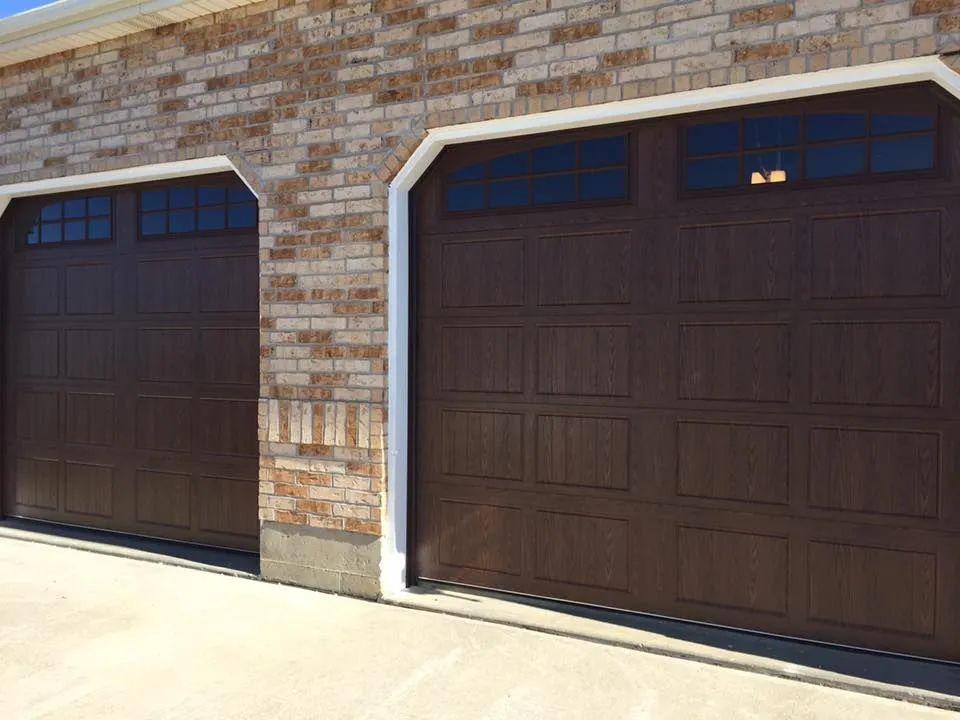
Material selection is where buyers most often let aesthetics override practicality. Both matter, but ignoring practical factors leads to regret.
Steel is the most sensible choice for most Missouri homeowners. It's durable, widely available in every style, holds paint well, and handles seasonal temperature swings better than most alternatives. Thicker gauge steel (24-gauge or lower) dents less easily and holds up better over time.
Wood looks exceptional and genuinely adds curb appeal. But in a climate like Missouri's, with real humidity, hard winters, and hot summers, wood demands consistent maintenance. Skipping a refinishing cycle or two leads to warping, cracking, and eventually structural issues. Wood is the right choice when the homeowner is genuinely committed to keeping up with it.
Fiberglass handles moisture and humidity well and can mimic wood grain convincingly. Its weakness is cold weather performance. Fiberglass can crack in hard freezes, which makes it a less reliable choice for areas that see real winter temperatures.
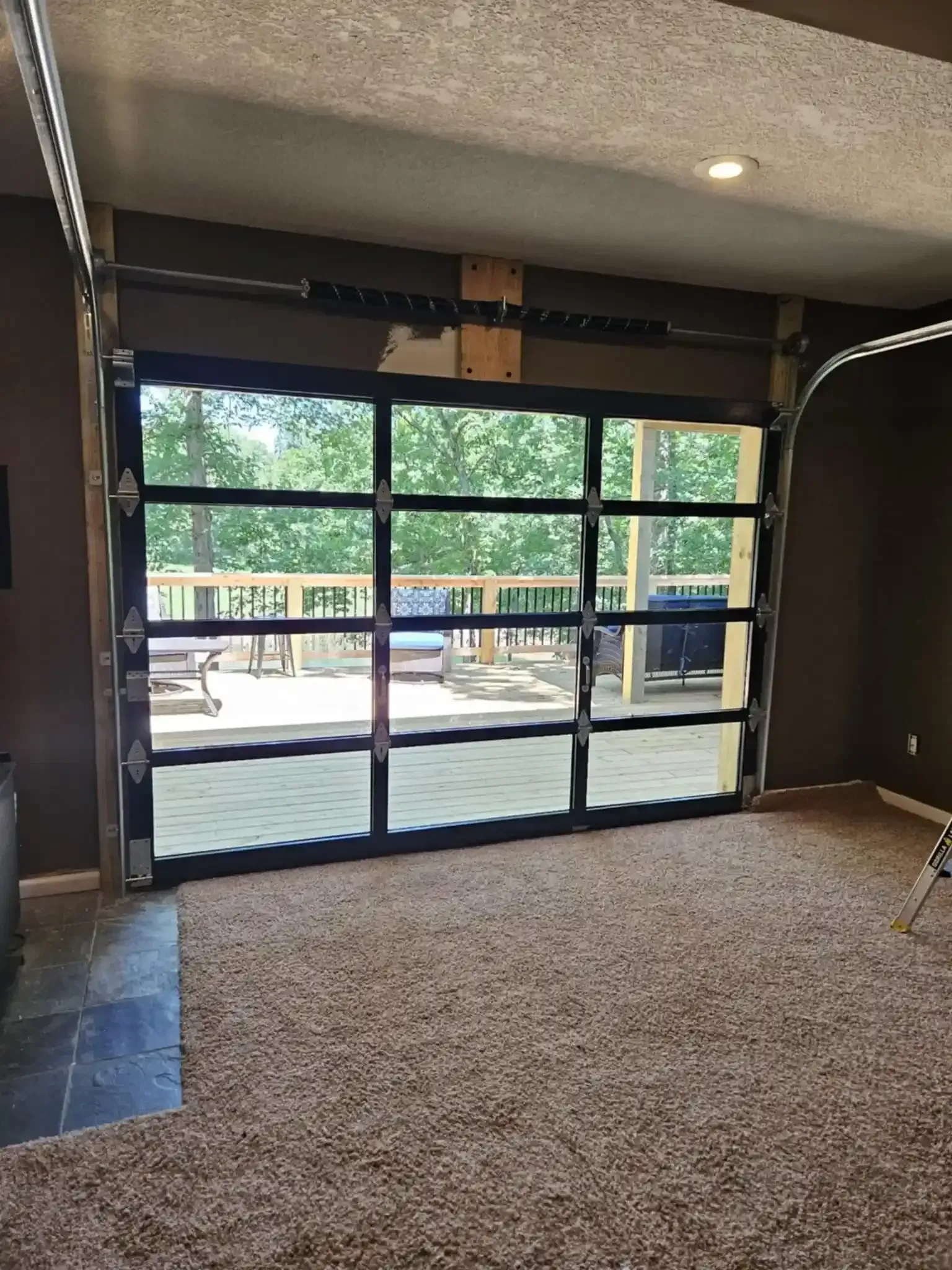
Aluminum works beautifully for modern full-view doors with glass panels. It doesn't rust, it's lightweight, and it handles the design needs of contemporary architecture well. It dents more easily than steel, so placement matters. A door exposed to kids, sports equipment, or frequent vehicle proximity deserves the extra dent resistance of steel.
Composite/wood overlay doors sit at a higher price point but deliver wood aesthetics with better moisture resistance and lower long-term maintenance. For homeowners in Liberty, Kearney, or Smithville who want the wood look without the wood upkeep, composite is worth serious consideration.
What About Windows: Are They Worth Adding?
Windows are one of those features where the decision looks simple but has more moving parts than most buyers realize.
Natural light is the main draw. A garage used as a workshop, gym, or hobby space benefits significantly from windows. For a standard attached garage used only for vehicles and storage, the value is more aesthetic than functional.
The trade-offs worth knowing:
Privacy: Windows on a garage door let people see what's inside. If you store expensive tools, bikes, or equipment, that visibility matters. Frosted or obscure glass gives you natural light without the sightline problem.
Security: Standard glass can be broken. Tempered glass costs more but is significantly stronger and breaks into small, less dangerous fragments if it does fail. For homes with children or in areas with higher traffic, tempered glass is the smarter specification.
Insulation impact: Every window panel reduces the door's overall R-value in that section. If thermal performance is a priority, fewer or no windows keeps the insulation rating consistent across the full door.
Visual alignment: The height of your garage door windows should align with windows elsewhere on your home's facade. Misaligned windows create visual noise that undermines even an otherwise well-chosen door.
FAQ: Common Garage Door Questions
How do I know if my current springs need replacing when I get a new door?
Spring sizing is based on door weight. Any time you change the door, spring compatibility should be confirmed by a professional. If the door weight changes significantly, the springs almost certainly need to be replaced as well. You can learn more about what's involved in spring repair and replacement.
Can I save money by keeping my old opener with a new door?
Sometimes. If the new door is a similar weight to the old one and the opener is in good working condition, it may be compatible. If the new door is heavier or larger, the opener should be evaluated for adequate motor capacity. A professional can confirm compatibility during the installation assessment.
What's the biggest visual mistake homeowners make with garage door selection?
Choosing a door style that doesn't match the home's architecture is the most common one. The second most common is defaulting to white when a more intentional color choice would better complement the home's existing exterior palette.
How long should a quality garage door last?
A well-maintained steel door lasts 20 to 30 years. Springs typically need replacement every 7 to 15 years depending on cycle frequency. Openers generally last 10 to 15 years. Regular maintenance and prompt repairs when small issues arise extend the life of the whole system significantly.
Is professional installation really necessary, or can a handy homeowner do it?
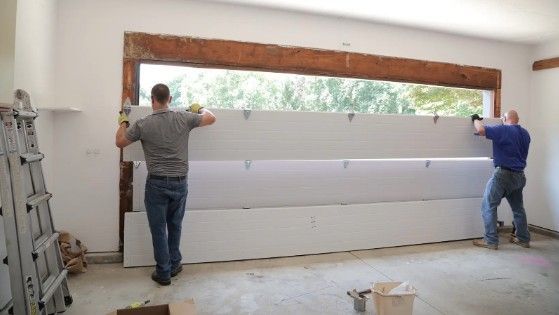
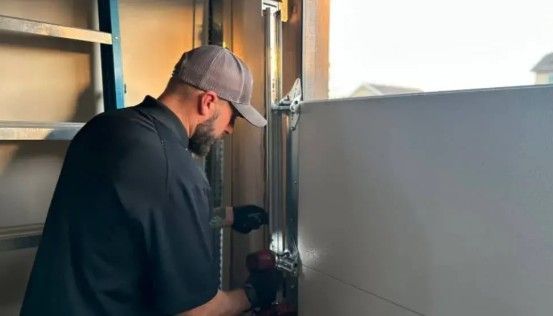
Garage door installation involves components under significant tension, particularly the springs. Improper installation creates real safety risks and can void manufacturer warranties. Professional installation ensures the door, springs, cables, and opener are all correctly matched and safely configured.
Conclusion
Most garage door mistakes come down to the same root cause: making decisions based on incomplete information. Style without architectural context, price without total cost, material without climate consideration, and installation without compatibility checks all lead to problems that show up later and cost more to fix than they would have to avoid.
Getting it right starts with asking better questions before the purchase. At Sharp Overhead Door Service, we've been helping homeowners across Excelsior Springs, Kansas City, Liberty, and the surrounding Missouri communities do exactly that since 1990. Whether you're planning a new installation or dealing with an issue on your current door, call us at (816) 536-7699 to schedule a free consultation.