Why Is My Garage Door Making Noise? Common Causes & Fixes
Why Your Garage Door Is Making That Noise (And What to Do About It)
Garage doors are built to be heard, just not that loudly. If your garage door has started rattling, grinding, squeaking, or banging, it's telling you something. Most noises point to a specific mechanical issue, and catching it early can save you from a much bigger garage door repair down the road. Here's a breakdown of what each sound usually means and how to deal with it.
Is a Noisy Garage Door Always a Sign of Trouble?
Not every sound is a red flag, but none of them should be ignored either. A brand-new garage door may make a faint hum or click as it breaks in. But grinding, banging, or consistent squealing from a door that worked quietly before? That's a sign something has changed, and change in mechanical systems usually means wear, looseness, or failure in progress.
The key question is: when did the noise start, and what does it sound like? Those two details alone can narrow down the problem significantly.
What Does a Grinding Noise Usually Mean?
A grinding sound almost always points to metal-on-metal friction. This typically comes from one of three places: the rollers, the hinges, or the tracks.
Rollers are small wheels that guide your door along the track as it opens and closes. When they wear down or lose lubrication, they start dragging instead of rolling. Steel rollers are especially prone to this. Nylon rollers tend to run quieter and last longer, which is worth knowing if you're ever replacing them.
Hinges that have gone dry will also produce a grinding or scraping sound. This is one of the more straightforward fixes. A proper lubrication with garage-door-specific grease (not WD-40, which actually strips lubrication over time) can quiet things down fast.
Tracks are another culprit. If debris has built up inside the track, or if the track itself has bent slightly, rollers will grind as they pass over the problem spot. Run a visual check along the full length of both tracks and look for dents, bends, or visible buildup.
Why Is My Garage Door Squeaking?
Squeaking usually means friction, but at a lower severity than grinding. Think of it as the early warning before grinding begins.
The most common source is hinges that need lubrication. Every hinge pivot point on your door should be lubricated at least once a year. If your door has 10 panels, that's a lot of hinges, and it's easy to miss a few.
Torsion springs can also squeak as they wind and unwind. A light application of garage door lubricant on the coils (not the end cones, as those are under tension) can help. If the squeak from the spring is loud or accompanied by any cracking or popping, stop using the door and call for spring repair. Springs under tension are not a DIY fix.
Worn weatherstripping along the bottom of the door can also squeak as it drags across the floor. This one's lower urgency but worth replacing since bad weatherstripping also lets in cold air, pests, and water.
What Causes a Loud Bang or Pop From the Garage?
This one gets people's attention fast, and it should. A loud bang from a garage door is almost always a broken torsion spring.
Torsion springs are coiled above the door and carry the full weight of the door as it opens and closes. They have a finite lifespan, typically rated for around 10,000 cycles. One cycle is one open and one close. For a household that uses the garage door four times a day, that's roughly seven years of use. After that, the metal fatigues and the spring can snap, usually loudly.
When a torsion spring breaks, the door becomes extremely heavy and either won't open at all or will only lift a few inches before stopping. Do not try to force it open manually. The weight of the door without spring support can cause injury or damage to the opener motor.
If you're in the Excelsior Springs area and this happens, a same-day spring repair or replacement call is the right move. This is not a repair to postpone.
Could the Opener Be the Source of the Noise?
Yes, and this gets overlooked more than you'd think. Homeowners often blame the door when the opener is the actual problem.
Chain-drive openers are the loudest type by design. A rattling or slapping chain usually means the chain tension has gone loose. An overly tight chain, on the other hand, will strain the motor and wear out the sprocket faster. Both are fixable with a tension adjustment, but the tolerance is tighter than most people realize.
Belt-drive openers should run nearly silent. Any squealing or grinding from a belt-drive unit usually means the belt is worn or the trolley carriage has developed friction. These units are more expensive to repair but quieter when working correctly.
Screw-drive openers are louder than belt-drives but quieter than chains. They use a threaded steel rod to drive the trolley. Noise from these typically comes from lack of lubrication on the rod, or from worn plastic carriages that need replacement.
If your opener is older than 10 to 15 years and is getting noisier, it may be worth replacing rather than repairing. Modern openers run quieter, use less power, and come with smart home connectivity that older units simply can't match.
Does a Rattling Sound Mean Loose Hardware?
Often, yes. Rattling is one of the more benign garage door sounds, but that doesn't mean you should ignore it.
Garage doors go through thousands of open-and-close cycles over their lifetime. All that vibration gradually works bolts, nuts, and brackets loose. A loose bolt on a hinge or track bracket will rattle every time the door moves.
Walk the full perimeter of your door while it's closed and give the hardware a visual once-over. Tighten anything that moves. Use a socket wrench, not just a screwdriver. You want snug, not stripped.
One thing to be careful about: don't tighten the bolts that go directly into the torsion spring system or the cable drum. Those are load-bearing components under constant tension, and interfering with them without proper training is dangerous.
When Should You Call a Professional Instead of DIYing It?
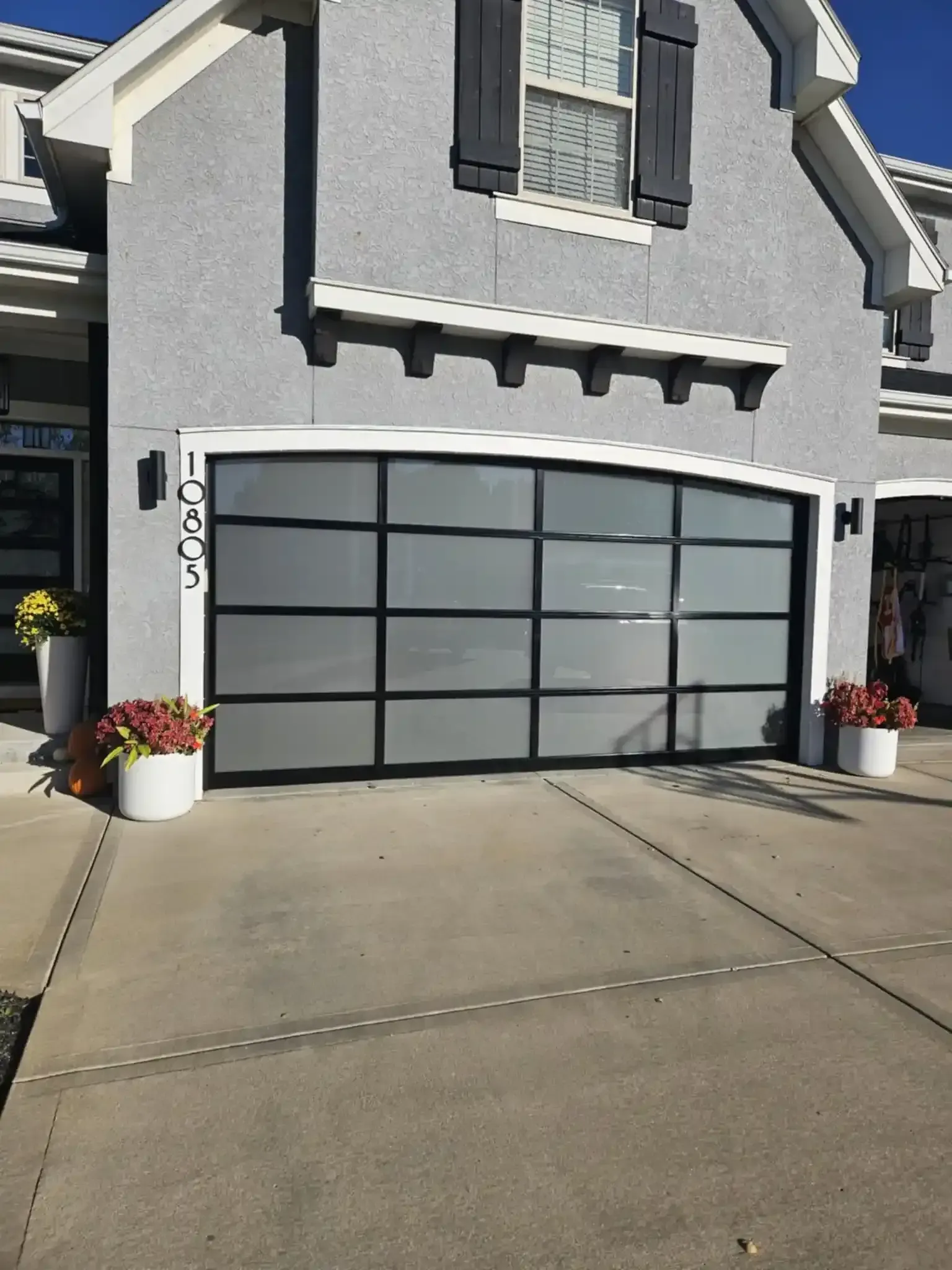
Here's an honest answer: most garage door noise issues can be diagnosed at home, but not all of them should be fixed at home.
Lubrication, bolt tightening, and visual track inspections are reasonable DIY tasks. But anything involving springs, cables, or the opener's internal mechanics should be handled by a trained technician. The reason isn't just liability. It's physics. Torsion springs store enough energy to cause serious injury if mishandled. Cables that snap under load can cause significant damage.
In Excelsior Springs and across the Kansas City Northland, we've seen plenty of cases where a homeowner tried to fix a cable or spring issue and ended up with a bigger problem than they started with. The repair cost went up, not down.
If you're not completely sure what you're dealing with, a professional diagnostic visit is worth it. Good technicians will tell you exactly what's wrong, what it will cost, and whether it actually needs fixing right now or can wait.
FAQ: Common Garage Door Questions
How often should I lubricate my garage door?
Lubricate the rollers, hinges, springs, and tracks at least twice a year, once in the spring and once before winter. In areas with cold winters like Excelsior Springs, Missouri, cold weather thickens grease and increases friction, so the pre-winter lubrication is especially important. Use a product specifically made for garage doors, not general-purpose oils.
Can I use WD-40 on my garage door?
WD-40 is a solvent, not a lubricant. It will temporarily reduce noise but actually removes the protective lubrication from metal parts over time, accelerating wear. Use a dedicated garage door lubricant or white lithium grease instead.
How long do garage door springs last?
Standard torsion springs are rated for around 10,000 cycles. Higher-end springs can be rated for 25,000 to 50,000 cycles. If your door gets heavy use, proactive spring replacement before failure is worth considering. A broken spring at an inconvenient time is a much bigger headache.
Is a squeaky garage door dangerous?
Not immediately, but squeaking is a warning sign of friction and wear. Left alone, it tends to get worse and can lead to broken rollers, damaged tracks, or premature spring failure. It's easier and cheaper to address a squeak early than to deal with the repair it eventually becomes.
What's the most common reason a garage door gets noisy over time?
Lack of lubrication is the single most common cause. Most garage door noise problems, squeaks, grinding, sticking, trace back to dry metal parts. A basic twice-yearly lubrication routine prevents the majority of noise issues before they start.
The Bottom Line
A noisy garage door is your system telling you it needs attention. Whether it's a squeak from dry hinges, a grind from worn rollers, or a loud bang from a broken spring, each sound points to something specific. Catching it early keeps repair costs down and keeps the door running reliably.
For anything beyond basic lubrication and hardware tightening, call us at (816) 536-7699. At Sharp Overhead Door Service, we've been diagnosing and fixing garage door problems in Excelsior Springs and across the Kansas City Northland since 1990. Whatever noise your door is making, we've heard it before, and we know exactly how to fix it.